The Romea Strata as an open-air classroom with the Network of Schools for Slow Tourism
The collaboration between Romea Strata and the Network of Schools for Slow Tourism transforms the route into an educational experience for younger generations.
18/09/2026
The pilgrimage route becomes a tool for education, local discovery, and slow tourism thanks to the collaboration between the European Association Romea Strata and the Network of Schools for Slow Tourism (Rete delle Scuole per il Turismo Lento).
A route is not merely an itinerary to be traveled. It can become a place to learn, observe, exchange ideas, and grow. This is the shared vision that has brought together the Romea Strata and the Network of Schools for Slow Tourism for several years, united by the desire to transform the journey into an educational experience for younger generations.
Established in 2019, the Network of Schools for Slow Tourism brings together schools from all over Italy with the goal of promoting sustainable tourism, enhancing routes, and spreading an experiential education model that puts students at the center of the learning process. Within this context, the Romea Strata has represented for years one of the routes along which the Network continuously develops its educational activities.
The collaboration between the Network and the Romea Strata is deeply rooted in the history of the route itself. The idea of building an educational project dedicated to slow tourism was born thanks to the initiative of several volunteer teachers of the Romea Strata. They successfully transformed their experience gained along the route into a framework capable of involving schools, teachers, and students throughout Italy. It is a bond that continues to grow and renew itself, confirming the educational vocation of the itinerary.
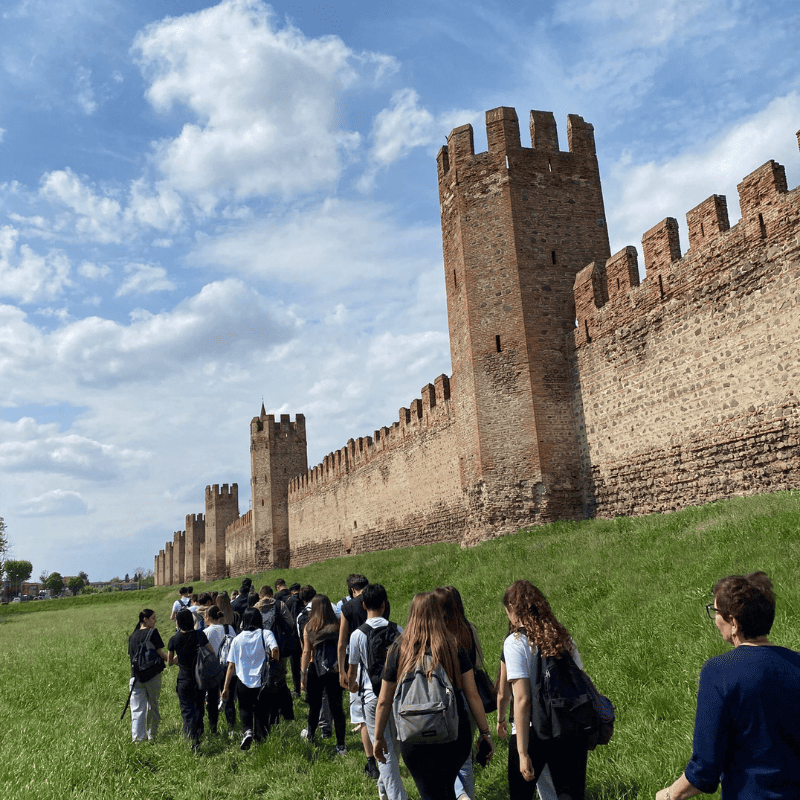
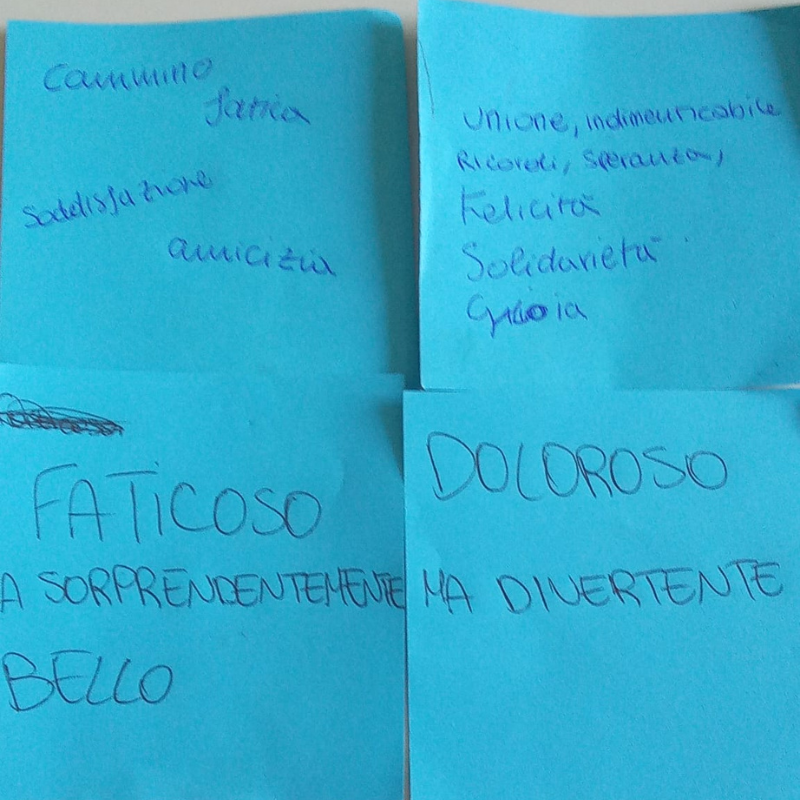
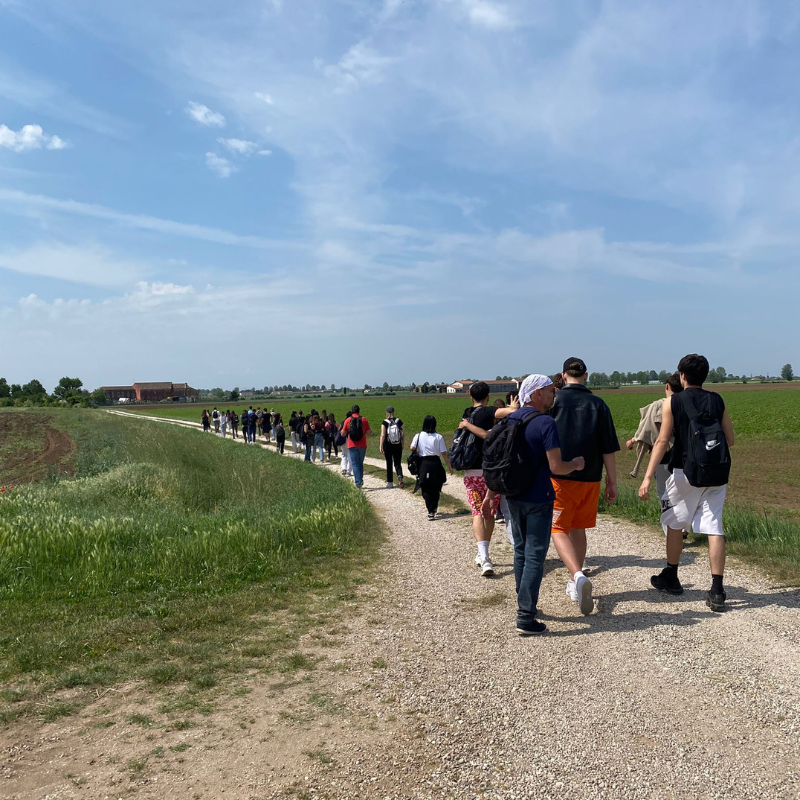
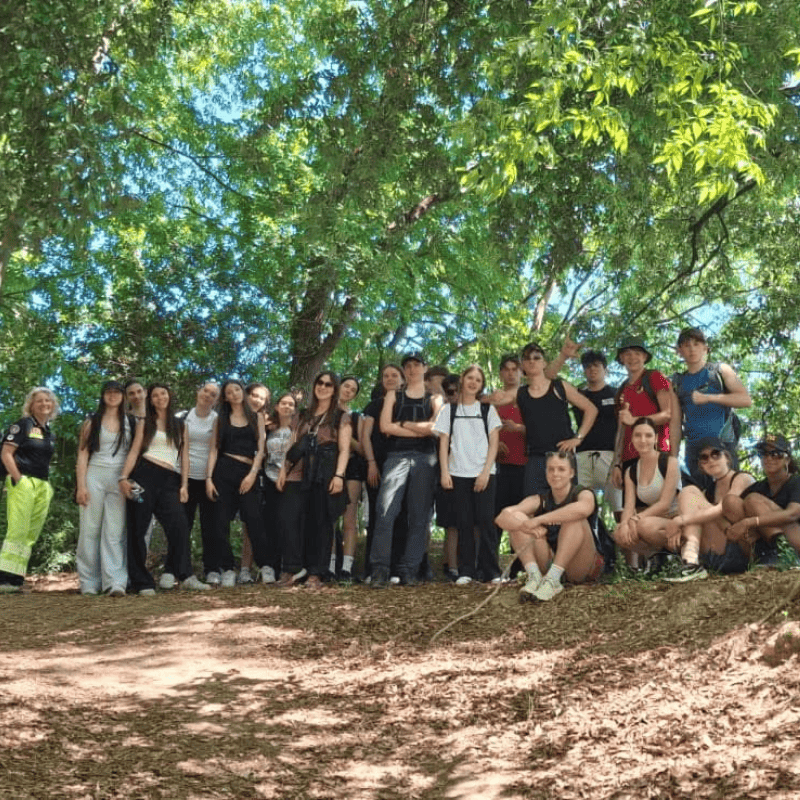
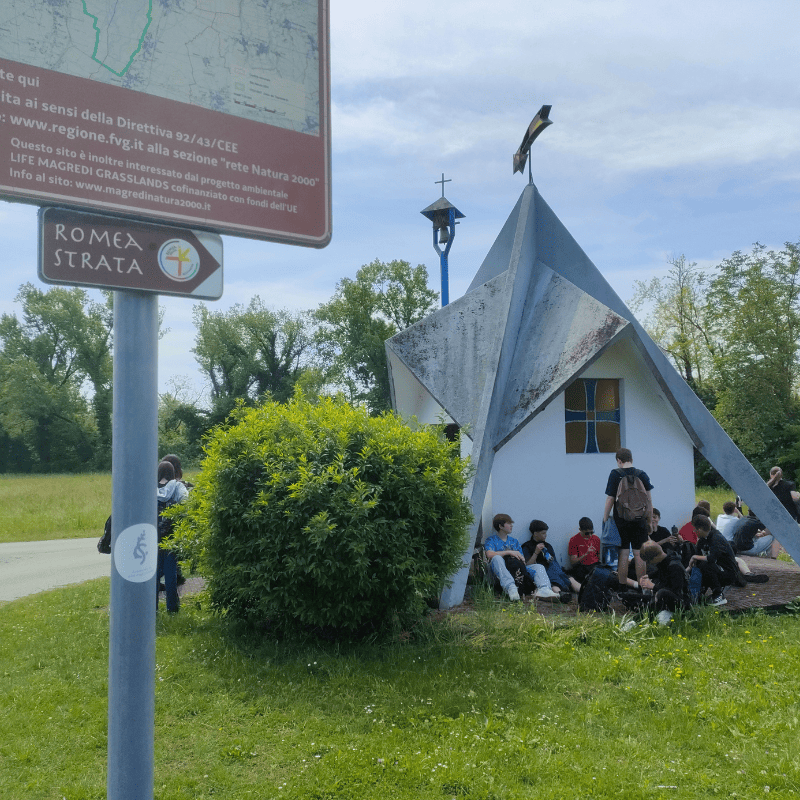
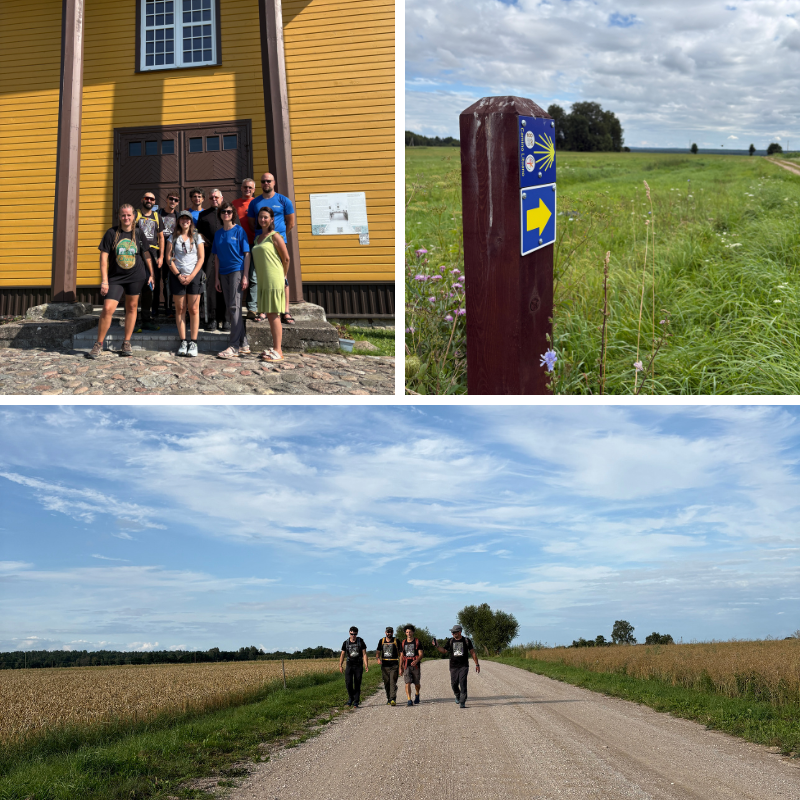
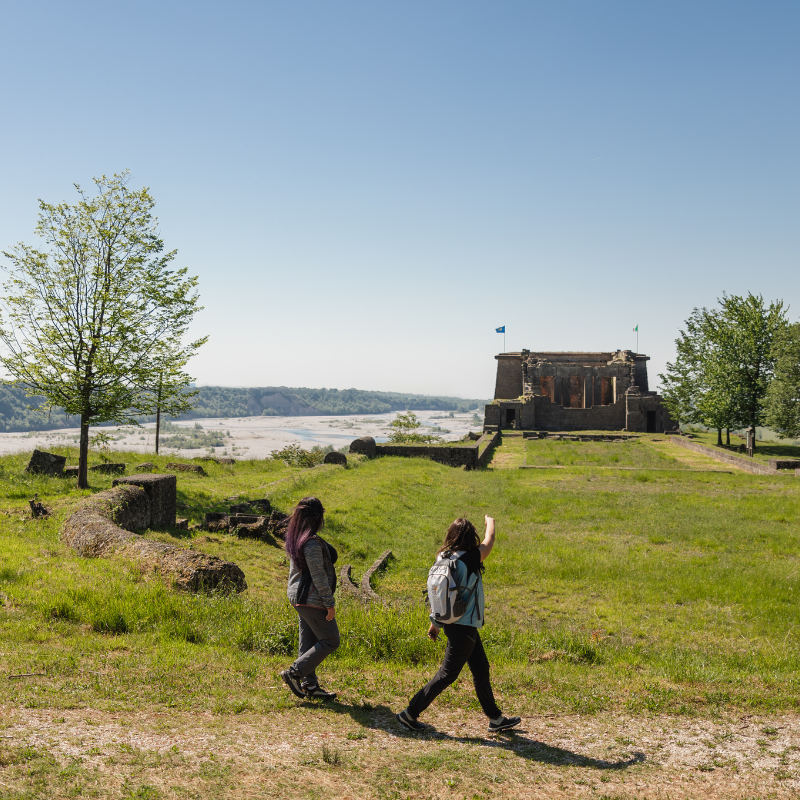
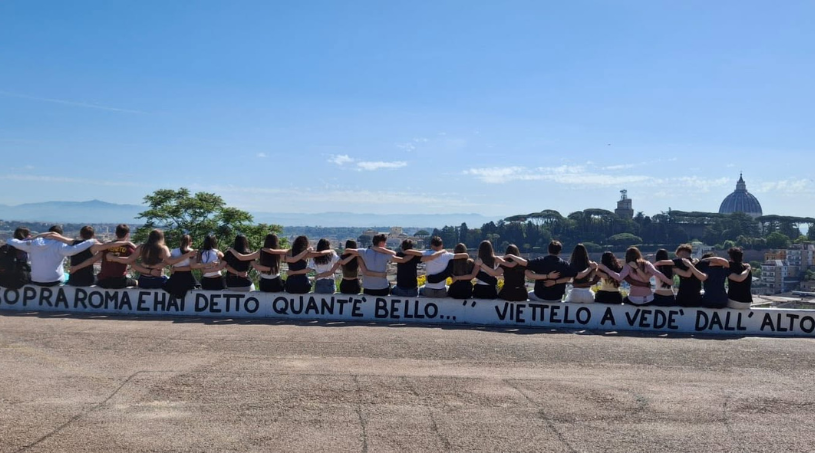
The goal is not simply to accompany students along a route, but to make them the protagonists of the journey. By walking, they learn to read the landscape, discover the history of the territories, meet local communities, and understand the value of cultural and environmental heritage. The route thus becomes a tool through which to develop awareness, observation skills, and a sense of belonging, transforming students into authentic narrators of the land and ambassadors of slow tourism.
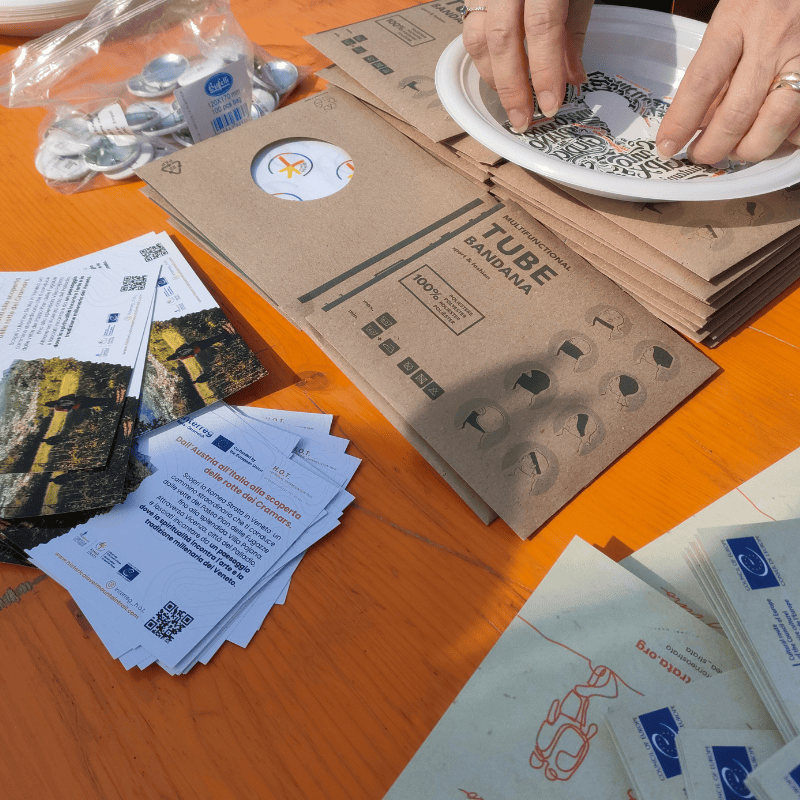
Every year, this collaboration is renewed through new experiences along the Romea Strata. This year some of these are also made possible thanks to European projects in which the European Association Romea Strata participates—such as Interreg Italy–Austria H.O.T. (Historical Overmountain Trail). These projects offer important opportunities to test new educational paths, strengthen cooperation between regions, and promote routes as tools for sustainable development and dialogue between communities. Thanks to these initiatives, it is possible to expand the educational offer, involve new partners, and continue investing in younger generations through hands-on experiences in the field.
Today, the collaboration with the Network of Schools for Slow Tourism represents a significant example of how a European cultural route can go beyond the dimension of travel, becoming a space for training, participation, and active citizenship. For the Romea Strata, investing in younger generations means helping to build a walking culture capable of combining education, sustainability, heritage preservation, and a sense of belonging to the local territories.
Over the years, these activities have also given rise to several publications gathering stories, reflections, and experiences lived by the students along the Romea Strata. The volumes are available, while copies last, at the offices of the Romea Strata in Vicenza, representing a precious testimony to the shared journey between school and route.